Tunisia: State Racism as a Revelation of African Political Failure
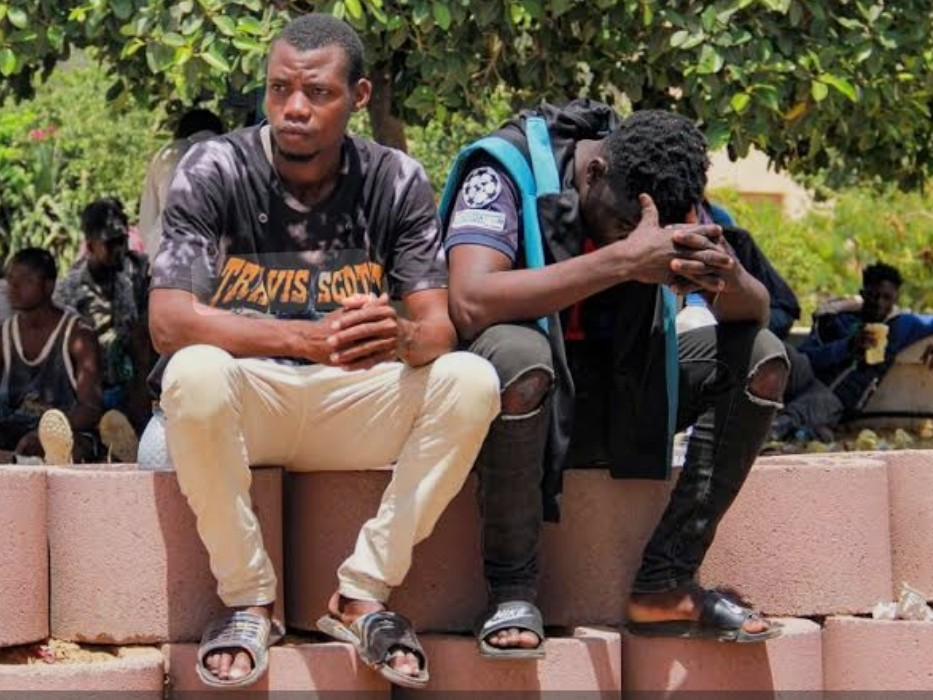
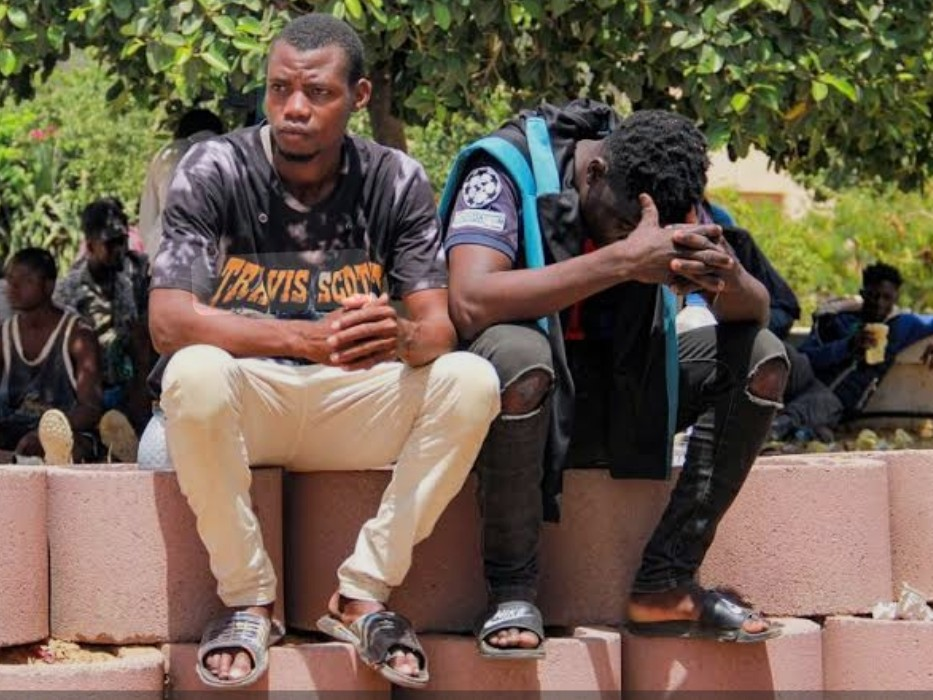
The death of Mamadou Diakhabi, beaten to death on March 14, 2025 by a crowd in Tunisia, is not a “slip-up.” It is a political product. It fits into a clear causal chain: state discourse followed by popular violence. When, on February 21, 2021, President Kaïs Saïed designated Black migrants as a demographic and civilizational threat, when he spoke of a plot aimed at “erasing the Arab-Muslim character” of the country, he was not offering an analysis : he was designating an internal enemy. The entire history of the twentieth century has taught us what this means. The state speaks, the street strikes.
The mass arrests of Black people, the anti-Black violence, and the calls by Mali, Senegal, and Guinea urging their citizens living in Tunisia to return home were not excessive reactions, but measures of survival. Since then, attacks have multiplied. A viral video from January 14, 2025 showing two Black brothers allegedly injured by a crowd of Tunisians, accusing the Tunisian police of inaction, only confirms a reality already established: the Tunisian state no longer truly protects certain foreigners.
But stopping at moral outrage would be a mistake.
One must always ask the question of power. The world respects only organized forces. No people has ever been respected because it suffered. No people has liberated itself because it cried. Rights do not fall from the sky; they are seized. Russia did not recover through Western compassion, but through revolutionary organization. China did not impose itself through humanitarian appeals, but through political discipline and collective sacrifice. All peoples that matter have equipped themselves with vanguards capable of concentrating popular energy, producing a clear ideological line, and materially sustaining the struggle.
The fundamental problem of the African and Afro-descendant world is not external hostility. Such hostility is constant throughout history. The problem is the absence of autonomous political instruments that are powerful and financed by the masses themselves.
The Humanitarian Illusion and the Failure of the Religious Reflex
At every crisis, the same scenario repeats itself: videos of distress, appeals to NGOs, appeals to the West, invocations of human rights. Yet these structures have never liberated any people. They manage emergencies, they administer misery; they overturn no relationship of domination. Worse still, a considerable share of the people’s resources goes to religious structures that deliver no political power. This raises a question of priorities. What does the Black people really want? Temples are funded, not organizations. Tithes are paid, but not militant training. People pray for jobs, yet refuse to build the tools that would make them possible. A people that finances its consolation rather than its liberation condemns itself.
Without a vanguard, there is only dispersion
Pan-African, nationalist, or Black rights movements rarely fail for lack of ideological correctness. They always fail through material asphyxiation. Lacking stable popular funding, they become bureaucratized, compromised, or disappear. Meanwhile, petty-bourgeois individualism flourishes: everyone calculates immediate self-interest, refuses collective contribution, yet demands solidarity when violence strikes them personally. This is a deadly contradiction. Wole Soyinka put it plainly, without lyricism: “The tiger does not proclaim its tigritude; it pounces on its prey and devours it.” Dignity is not claimed; it is built through organized force. As long as we do not sacrifice our financial means to an organization capable of defending us, then we deserve everything that happens to us everywhere in the world.
Organization or Political Disappearance
Anti-Black violence in Tunisia is not an anomaly. It is a warning. In a world in crisis, states will always seek scapegoats. Those without powerful organizations will be the first sacrificed. The question, therefore, is not: “Who will defend us?” The question is: what have we built to be defended? Without a political vanguard, without disciplined popular funding, without breaking with the humanitarian and religious illusion, there will be neither security, nor respect, nor a collective future. History is merciless. It does not protect victims; it consecrates organized forces. Either we sacrifice a portion of our financial resources to help forge a vanguard, or we continue to be persecuted around the world.
We are not victims; we are culprits. Our selfishness in refusing to finance our organizations is the price we pay everywhere through rape, torture, and murder. Every time a Black person suffers an injustice, the first question they must ask is: how much have I contributed to building a nationalist vanguard movement? If they have never financially supported a nationalist vanguard movement of the Black world, then they deserve what happens to them. We must understand the world. And this world is one of force, not pity. If we do not understand it, we deserve what happens to us everywhere. Compassion will not help us.